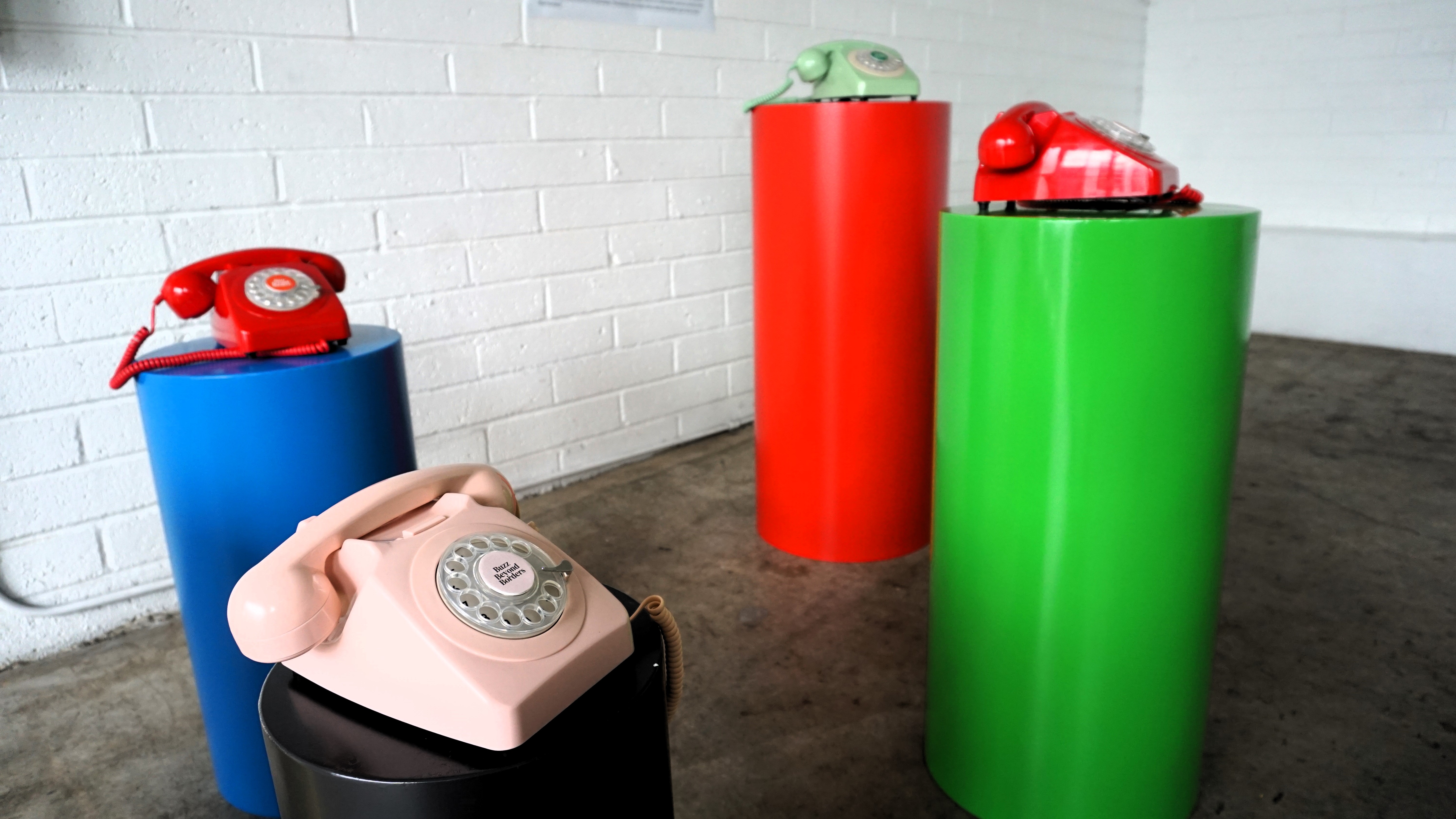
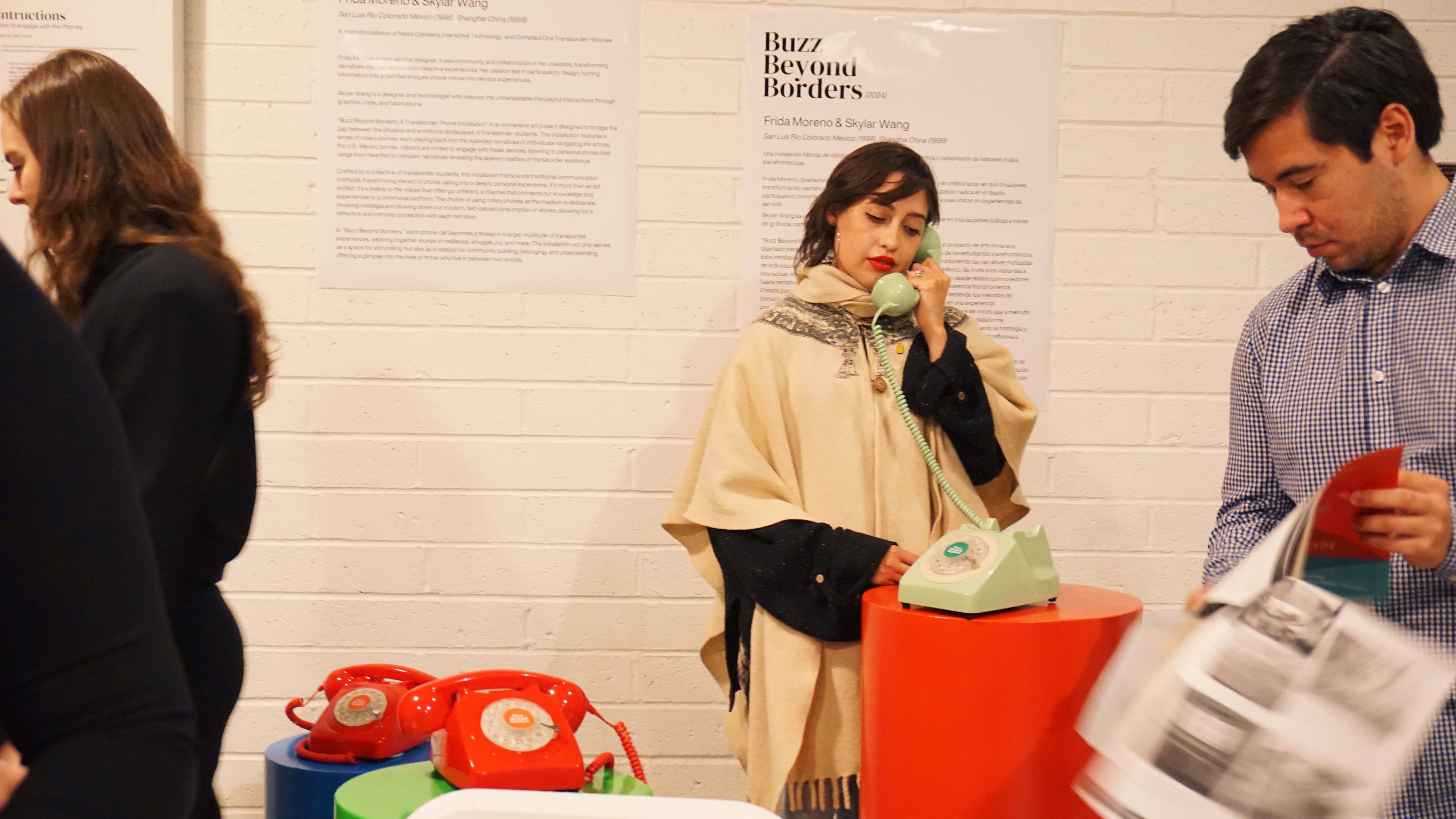
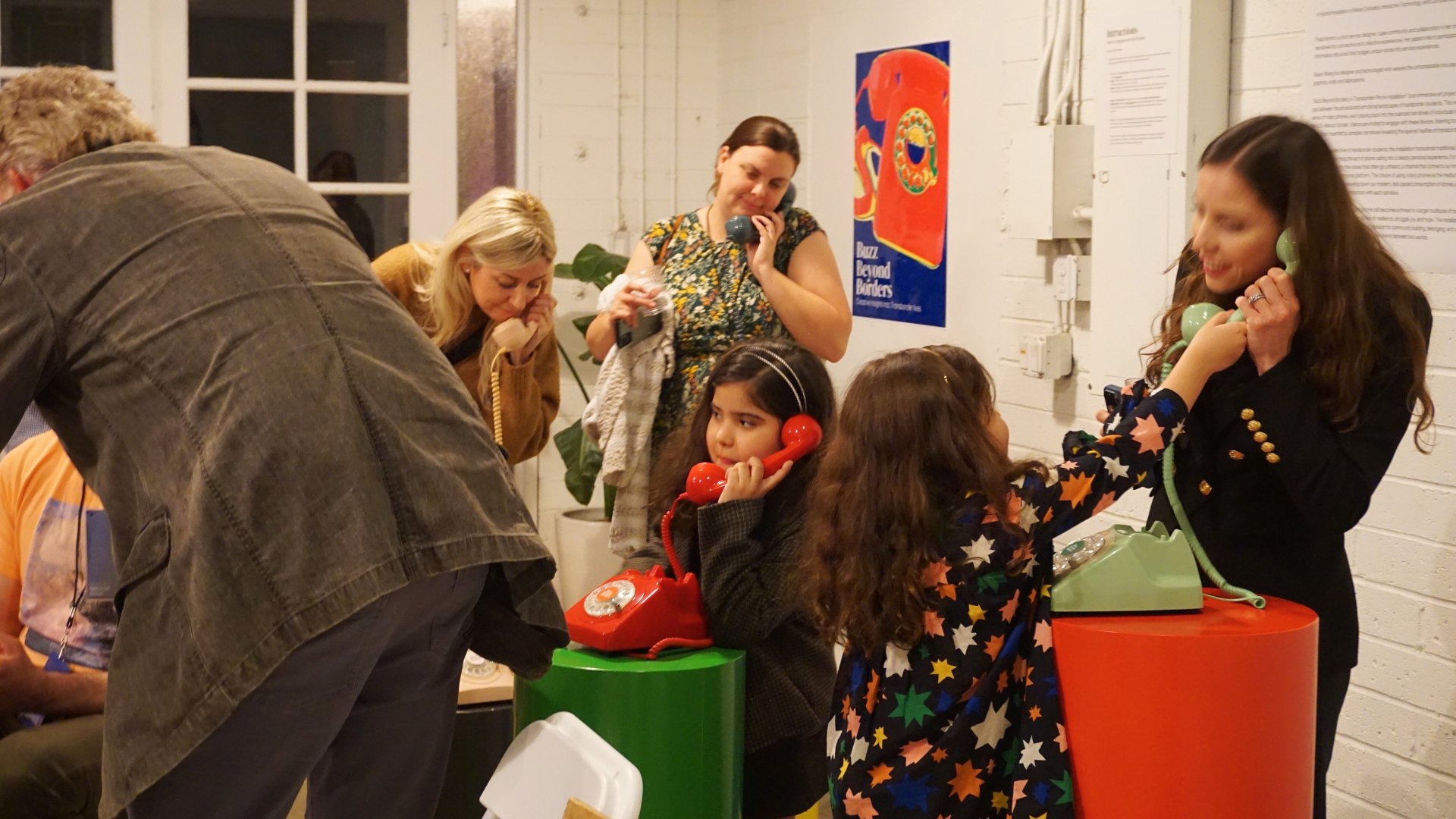
This video showcases how the rotary phone interaction works live, focusing on a small, curated selection of narratives from San Luis Río Colorado. It highlights students who crossed the border during a shared timeframe between 2007 and 2017. Though the testimonies come from different individuals, the stories reveal a collective thread of experience, uncovering patterns of resilience, routine, and systemic challenges common to transborder life.
This installation features a series of rotary phones, each playing back into the nuanced narratives of individuals navigating life across the U.S.-Mexico border. Visitors are invited to engage with these devices, listening to personal stories that range from heartfelt, joyful and complex narratives revealing the layered realities of transborder existence.

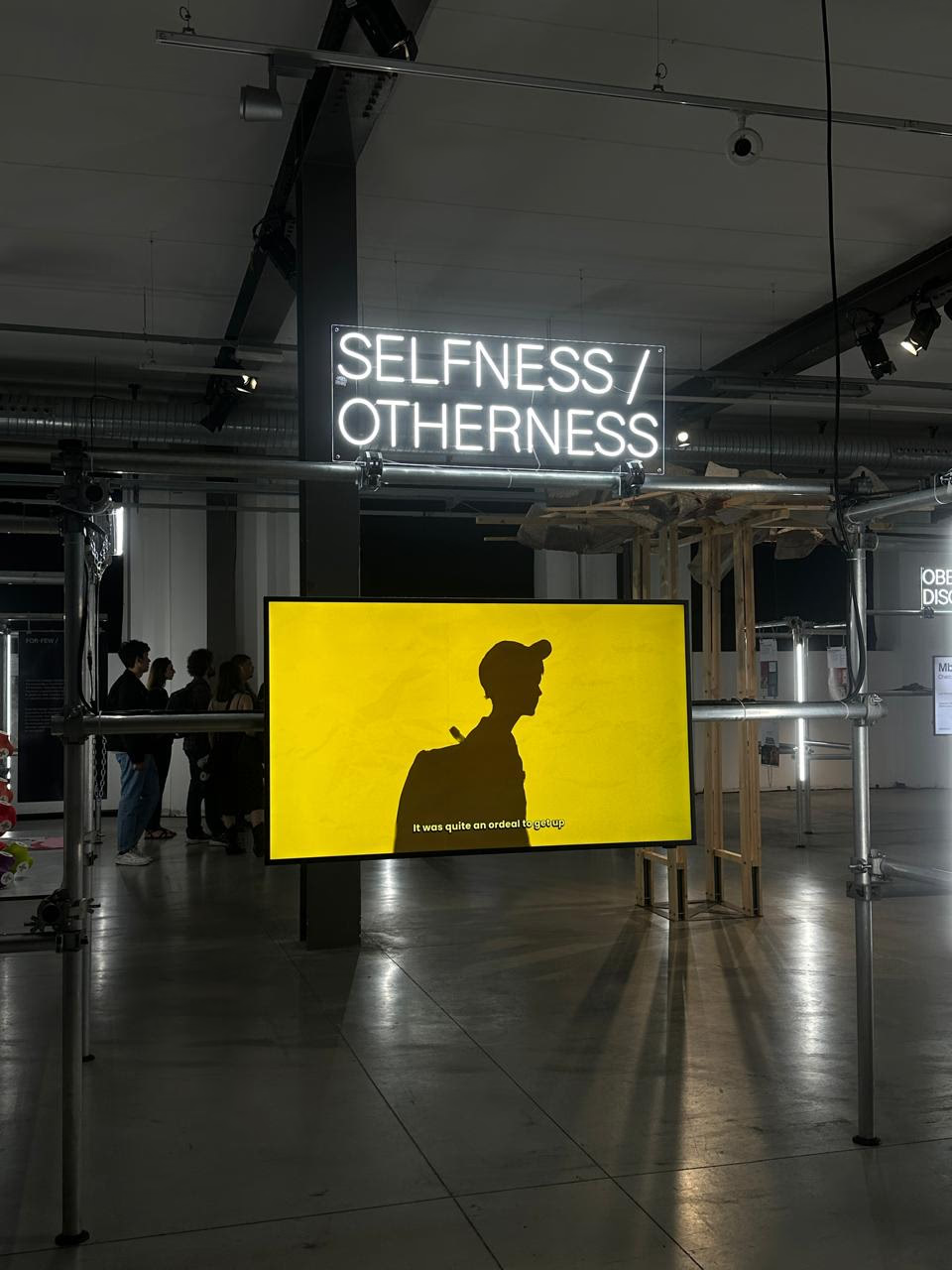
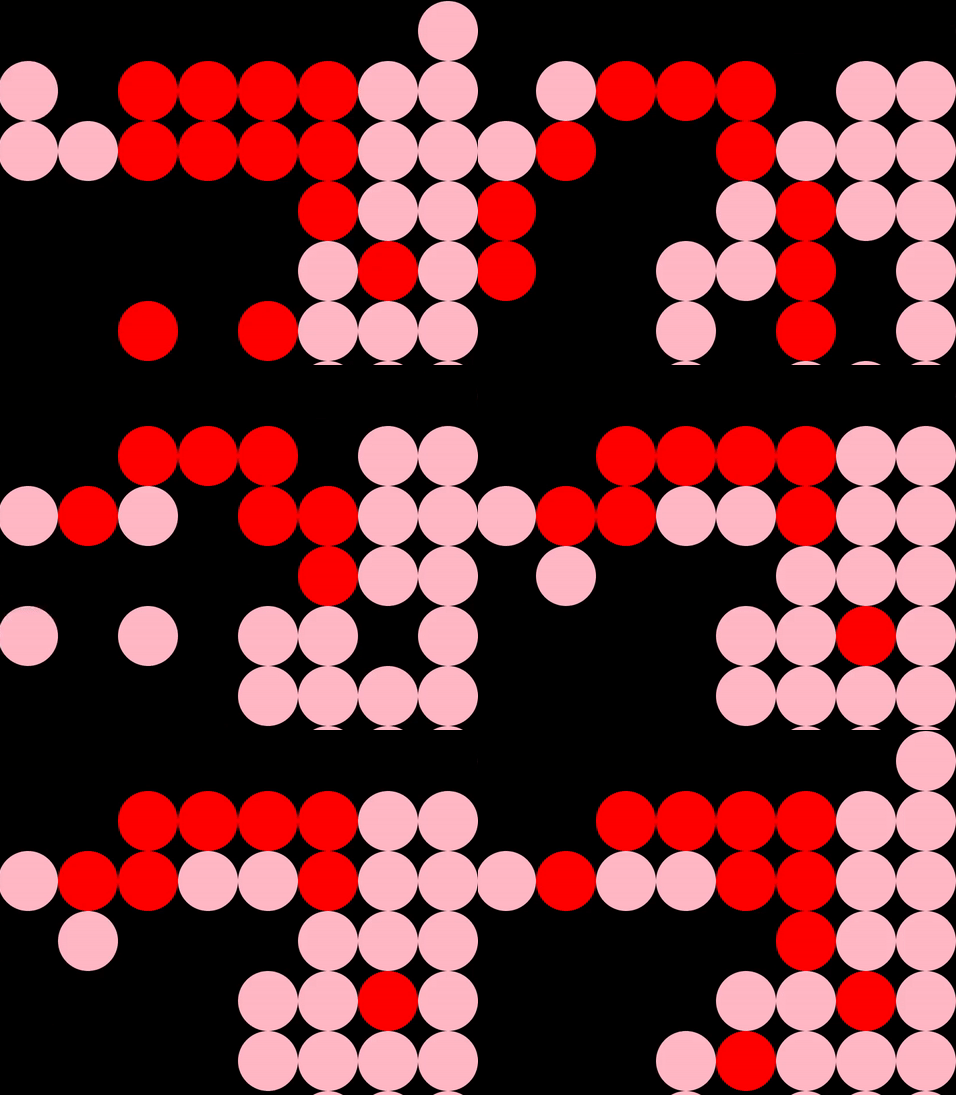
We applied network analysis to 270 transborder student testimonies, converting qualitative narratives into structured graph data. Each concept was mapped as a node, with connections representing frequency and contextual relationships. This method enabled the identification of key topics, thematic clusters, and structural gaps.
Click here to interact with data

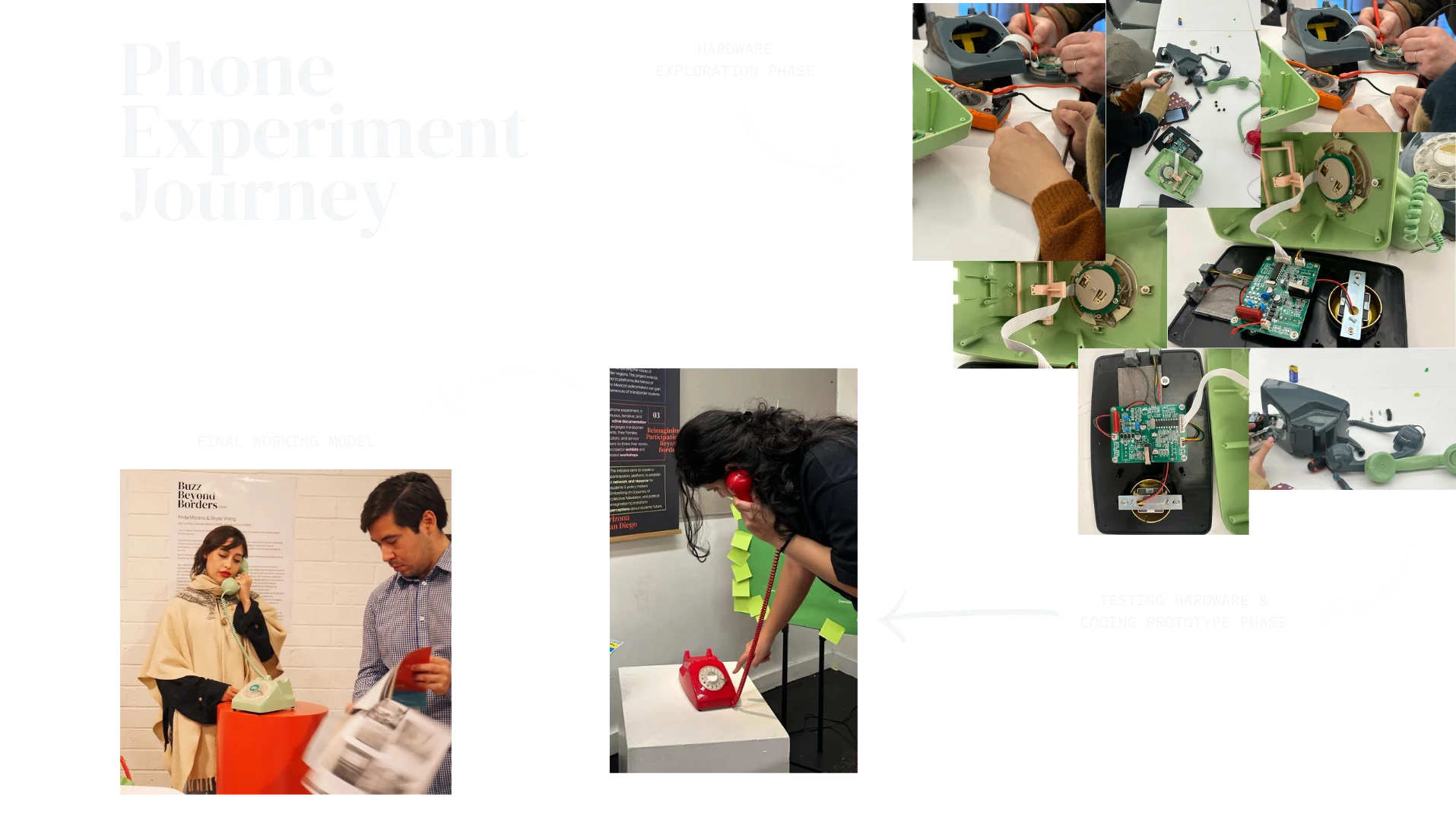
Take a look into the iterative coding and hardware hack that transformed a rotary phone into an interactive storytelling tool, allowing users to hear a welcome message and choose to leave or listen to a story.
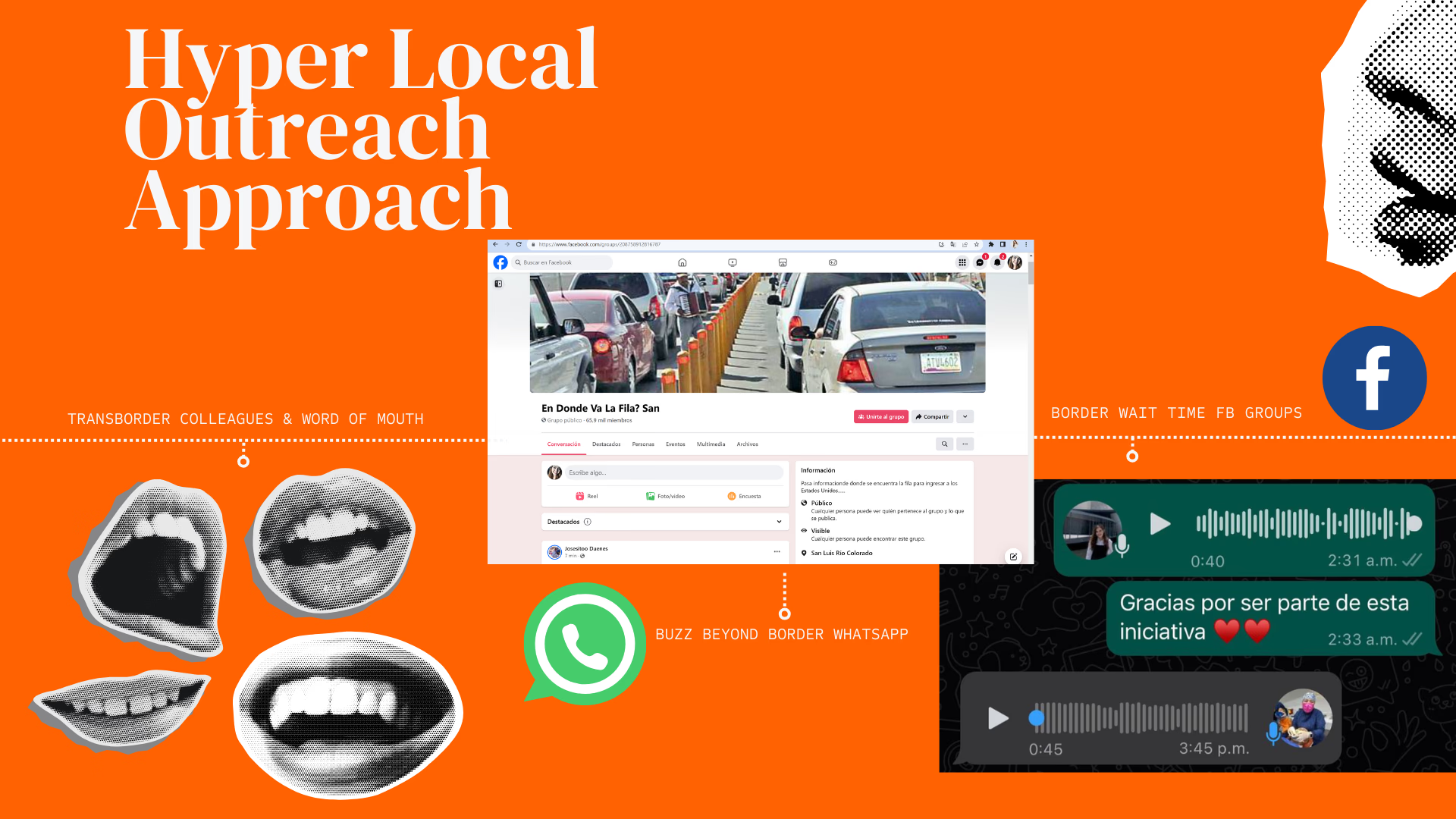
In our initial outreach, we used a Facebook page, commonly checked for border wait times, to reach transborder families. Through this familiar space and personal connections, we invited participants to share their stories using our rotary dial phone.